Artichokes: Are They Fruits, Vegetables, or Something Different?
- Food
-
- UPDATED December 29, 2024
by Kristine Bowman
682 shares
The timeless debate over whether certain foods are fruits or vegetables often sparks fascinating discussions. Questions like, “Is a tomato a fruit or a vegetable?” or “What about a pumpkin?” are common. The answer is straightforward: while tomatoes and pumpkins are commonly used as vegetables in cooking, they are scientifically classified as fruits.
But where do artichokes fit in? Although we typically think of them as vegetables, what are they really? Let’s uncover the truth about artichokes.
Is an Artichoke a Fruit or a Vegetable?
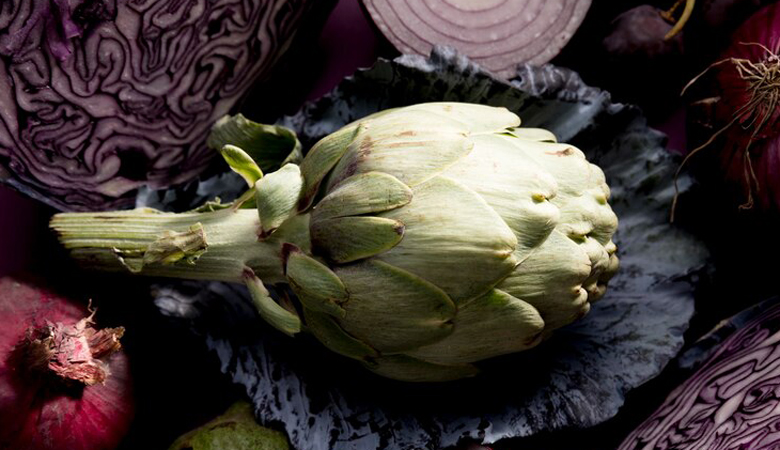
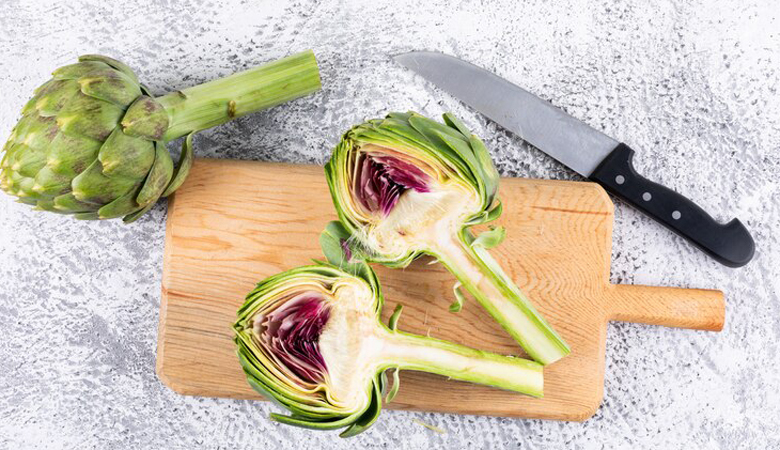
Though commonly thought of as a vegetable, an artichoke is technically a flower. This distinction can be puzzling, as flowers are often associated with producing fruits. However, the artichokes we eat are actually the buds of artichoke flowers, harvested before they bloom. In essence, they are immature flowers treated as vegetables in culinary use.
The distinction between a fruit and a vegetable lies in the flower’s development. A pollinated flower becomes a fruit, while an unpollinated or immature bud remains a vegetable. The artichoke, therefore, is an immature thistle. The name “artichoke” comes from a Turkish word referring to thistles, reflecting its botanical origins. The central bud, surrounded by flavorful leaves, is what makes artichokes a beloved addition to our meals.
The Artichoke: Vegetable Category and Health Benefits
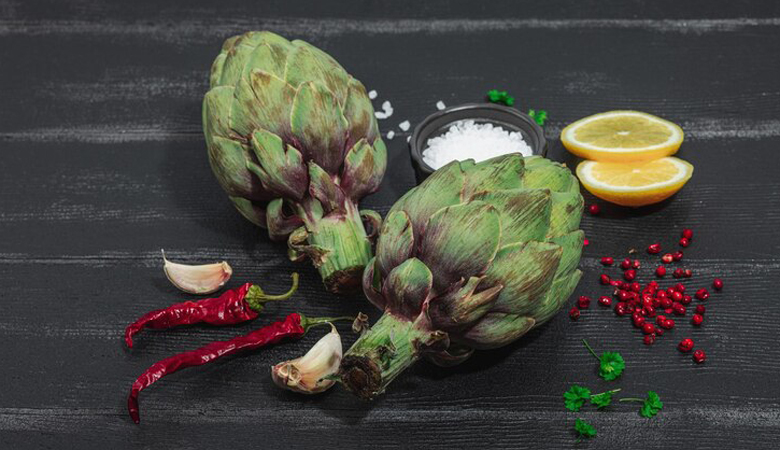
Artichokes are part of the Asteraceae family, which includes other vegetables like lettuce, salsify, and endives. Visually, they bear a resemblance to cruciferous vegetables like broccoli and cauliflower. Similar to these fiber-rich vegetables, artichokes are packed with dietary fiber and provide a wide range of health benefits.
Key Health Benefits of Artichokes
Lower Cholesterol
Research indicates that artichoke leaves may help reduce cholesterol levels. While more studies are needed, adding vegetables like artichokes to your diet is an excellent step for managing cholesterol naturally.Blood Pressure Control
Rich in potassium and other essential nutrients, artichokes can aid in regulating blood pressure. This makes them especially beneficial for individuals with mildly elevated blood pressure.Enhanced Liver Function
Artichokes have been linked to improved liver function, particularly in individuals with non-alcoholic fatty liver disease, supporting overall liver health.
Nutritional Benefits of Artichokes
Artichokes are a nutritious, low-calorie food packed with fiber and essential vitamins. A medium artichoke provides a notable amount of vitamin C, and its heart is particularly rich in vitamin A. Here’s a breakdown of the key nutrients found in a medium artichoke:
- Calories: Low, making it an ideal addition to a balanced diet.
- Fiber: High, promoting healthy digestion and satiety.
- Vitamin C: Supports immune function and skin health.
- Vitamin A (in the heart): Essential for vision and cell growth.
Adding artichokes to your meals is a delicious way to enhance your overall nutrition!
| Nutrient | Amount |
|---|---|
| Carbohydrates | 13.5 grams |
| Fiber | 6.9 grams |
| Fat | 0.2 grams |
| Protein | 4.2 grams |
| Sugar | 1 gram |
| Total Calories | 64 Cal |
Artichokes are rich in essential vitamins and minerals, such as vitamin C, vitamin K, riboflavin, folate, thiamine, iron, niacin, potassium, phosphorus, magnesium, zinc, and calcium.
How to Cook Artichokes
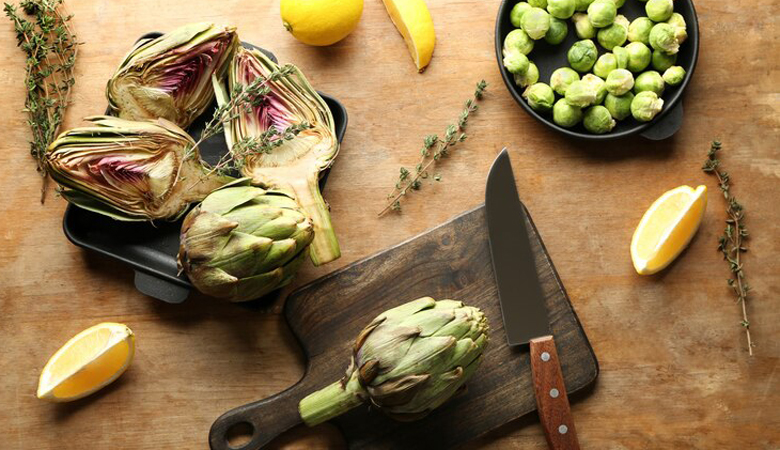
There are several methods to cook artichokes, including boiling, steaming, roasting, and grilling. If you’re in a rush, you can even microwave them in just 15 to 20 minutes. To test if they’re done, make knife cuts through the artichoke; there should be little to no resistance.
In addition to fresh artichokes, canned artichoke hearts are a convenient option, offering a longer shelf life, though they lack the fresh taste of raw artichokes. To store raw artichokes, keep them unwashed in the fridge, where they’ll stay fresh for up to four days.
Conclusion
Artichokes are not only delicious but also nutritious, even though they are technically flowers. While they’re often classified as vegetables, their unique qualities set them apart. For a quick snack, try steaming the leaves and dipping them in olive oil, or add artichoke hearts to salads, dips, or pasta to boost both flavor and nutrition.