The Importance of Social Support When Losing Weight After Pregnancy
- Home & Decor
-
- UPDATED March 17, 2025
by Nancy Ennis
123 shares
Growing Shade Vegetables in Elevated Garden Beds: A Step-by-Step Guide
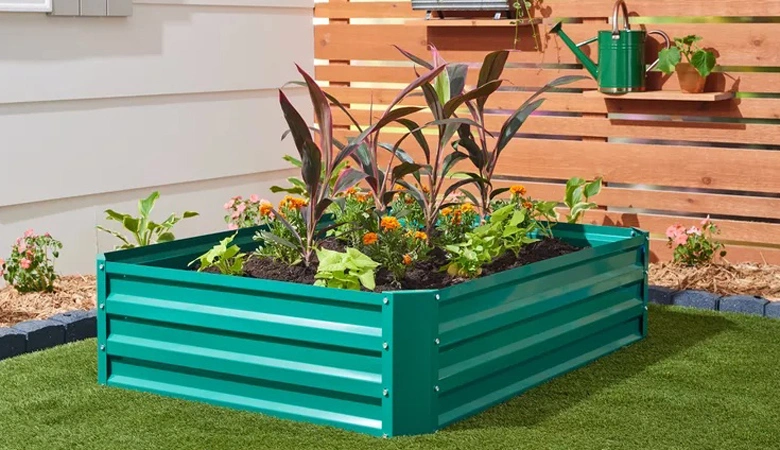
If you’re working with a shady garden space but still want to enjoy homegrown vegetables, elevated garden beds can be a perfect solution. Growing vegetables that thrive in low-light conditions, such as lettuce, spinach, and arugula, becomes much easier when you understand the right planting techniques. In this step-by-step guide, you’ll learn how to select the best shade-loving plants, prepare your soil, and maintain proper watering and drainage. Whether you’re planting in a corner of your yard with limited sunlight or creating a shaded oasis on a patio, these tips will help you maximize your garden bed and enjoy a bountiful harvest all season long.
Shade-Loving Vegetables: Tips for Growing in Elevated Garden Beds
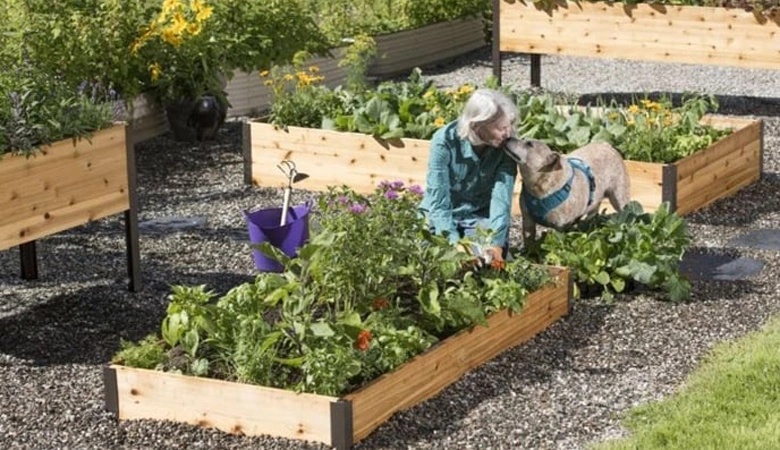
Maximizing your garden’s potential doesn’t require full sun—elevated garden beds provide an ideal space for growing shade-loving vegetables in less-than-ideal lighting conditions. This guide offers practical advice on which vegetables thrive in the shade, such as kale, chard, and various herbs. Learn how to prepare your elevated garden bed, ensure proper soil mix, and provide the right amount of water and nutrients to keep your crops healthy. By the end, you’ll have everything you need to create a lush, productive shaded garden in your elevated bed, no matter the size of your space.
How to Grow Shade Vegetables in Elevated Garden Beds for a Thriving Harvest
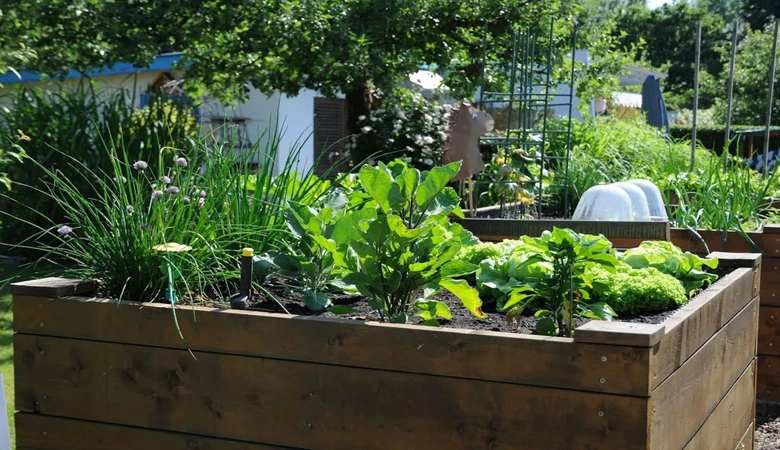
Growing vegetables in shaded spaces doesn’t mean sacrificing flavor or yield! Elevated garden beds can be a great solution for cultivating shade vegetables like spinach, lettuce, and certain types of herbs. This comprehensive guide walks you through how to grow in low-light conditions, starting with selecting the right vegetables and ending with harvesting. Learn the tricks to optimizing your bed’s design, maintaining moisture, and dealing with potential pests that might thrive in these cooler, darker spaces. With the right setup and care, your elevated garden bed will be producing delicious, nutritious shade vegetables in no time.
Mastering Shade Vegetable Gardening in Elevated Beds: Tips and Tricks
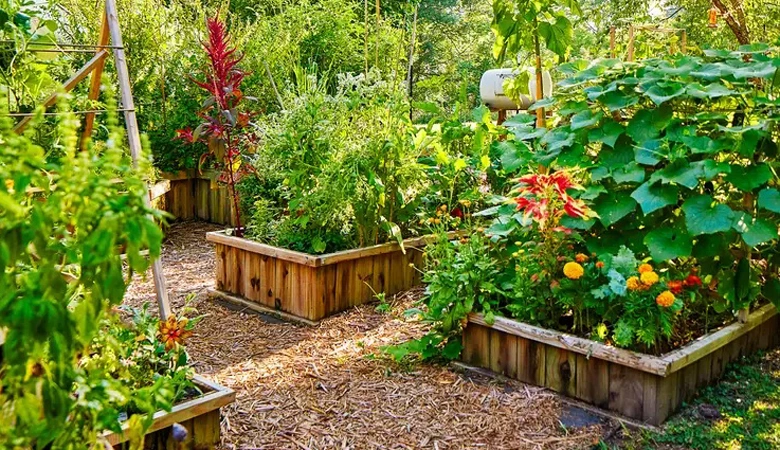
Transform your shady garden into a productive vegetable garden with elevated garden beds designed for shade-loving plants. In this guide, you’ll explore how to select the best vegetables that grow well in lower light conditions, such as leafy greens, root vegetables, and herbs. Learn how to adjust your garden bed’s soil mix, improve drainage, and choose complementary plants to ensure long-term success. We’ll also cover how to water correctly, maintain soil health, and use vertical growing techniques to maximize space in your shaded garden. With a few simple tips, you can turn your shady garden into a flourishing and productive vegetable garden.
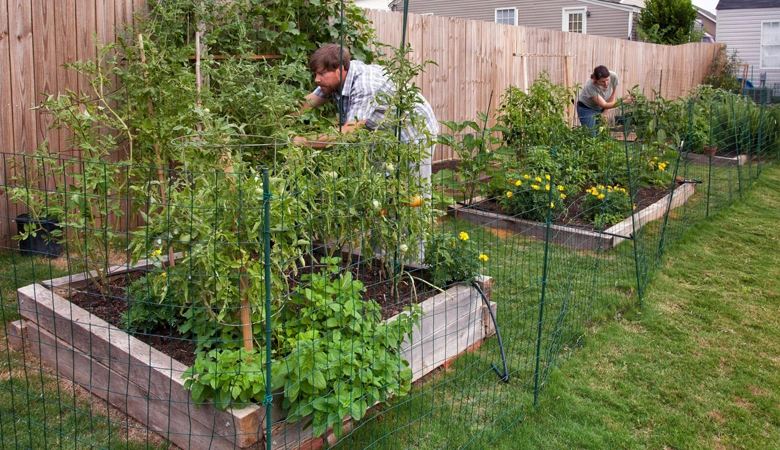
Elevated Garden Beds for Shade Vegetables: How to Grow Successfully in Low-Light Spaces
Struggling to grow vegetables in a shaded area? Elevated garden beds can offer the perfect solution, providing better drainage and soil control for plants that thrive in low-light environments. This detailed guide explains the best vegetable choices for shade, such as broccoli, lettuce, and herbs, and offers tips on soil preparation, watering, and maintenance. You’ll also learn how to position your elevated garden bed for the best exposure to whatever sunlight is available, ensuring that your vegetables grow strong and healthy in their ideal growing conditions.
Shade-Gardening with Elevated Beds: How to Grow Vegetables in Limited Sunlight
You don’t need full sun to grow delicious, nutritious vegetables. With elevated garden beds, you can grow a variety of shade-loving vegetables even in areas with limited sunlight. In this guide, we’ll walk you through the best vegetable varieties for shaded conditions, like leafy greens and root crops, and show you how to set up your bed for optimal growth. Learn how to make the most of your space, ensure proper drainage, and manage the environmental factors that come with low-light gardening. Whether you’re dealing with a shaded backyard or a covered porch, this approach will help you build a productive garden all year long.
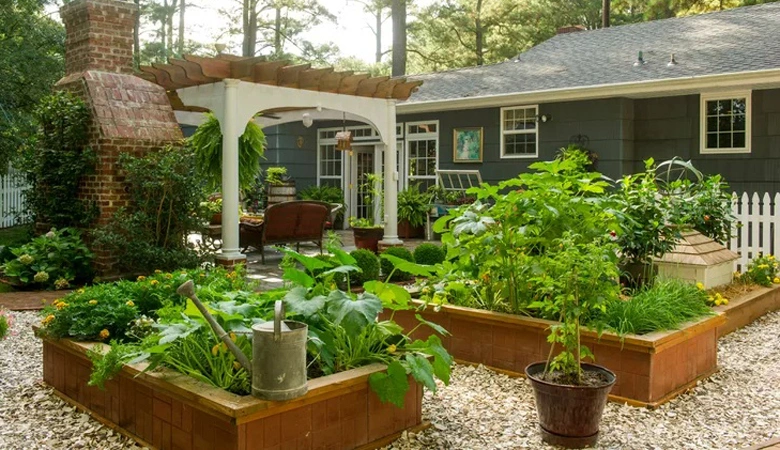
Grow Healthy Shade Vegetables in Elevated Garden Beds: Complete Gardening Guide
Elevated garden beds offer an easy and effective way to grow shade-loving vegetables in less-than-ideal sunlight. From leafy greens like spinach and kale to herbs such as parsley and cilantro, many vegetables thrive in shaded environments. This comprehensive guide covers everything you need to know about growing these plants in elevated beds. You’ll learn about soil preparation, selecting the right shade-tolerant vegetables, ensuring your plants get adequate moisture and nutrients, and managing any challenges that come with low-light gardening. Whether you’re new to gardening or a seasoned pro, these tips will help you grow a vibrant, healthy garden in the shade.