7 Key Nutrients to Add to Your Diet for Maintaining Healthy Vision as You Age
- Food
-
- UPDATED December 29, 2024
by Kristine Bowman
1856 shares
Ever wonder why your grandparents often mention their declining vision as they get older? Vision health becomes a common concern in our later years, as loss of sight can significantly affect quality of life.
As we age, our vision naturally tends to decline, making everyday activities more challenging unless we take proactive steps. The good news is, a healthy diet can make a huge difference. Certain nutrients have been shown to improve eye health, making them especially valuable as we grow older.
In this blog, we’ll explore some of the key nutrients that can help maintain healthy eyes and support lasting vision. Whether you’re enjoying an active retirement or working to prevent future issues, these tips will be your guide to healthier eyes.
The Role of Nutrition in Maintaining Eye Health
Nutrition plays a vital role in preserving eye health. A balanced diet can prevent many common vision issues, such as macular degeneration and cataracts, which are often associated with aging. The World Health Organization reports that nearly 80% of age-related vision impairment can be prevented through healthier lifestyle choices.
To ensure your eyes get the nutrients they need, incorporating targeted supplements and eye vitamins into a well-rounded diet can be highly effective. Among the most important nutrients for maintaining sight as we age are antioxidants, vitamins, and minerals, all of which contribute to long-term eye health.
Nutrient #1: Vitamin A and Beta-Carotene
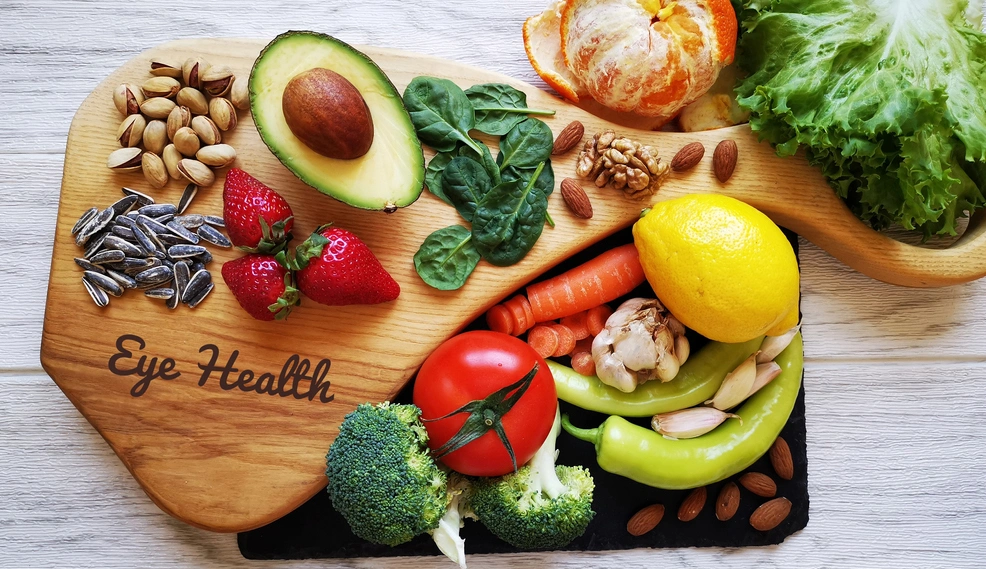
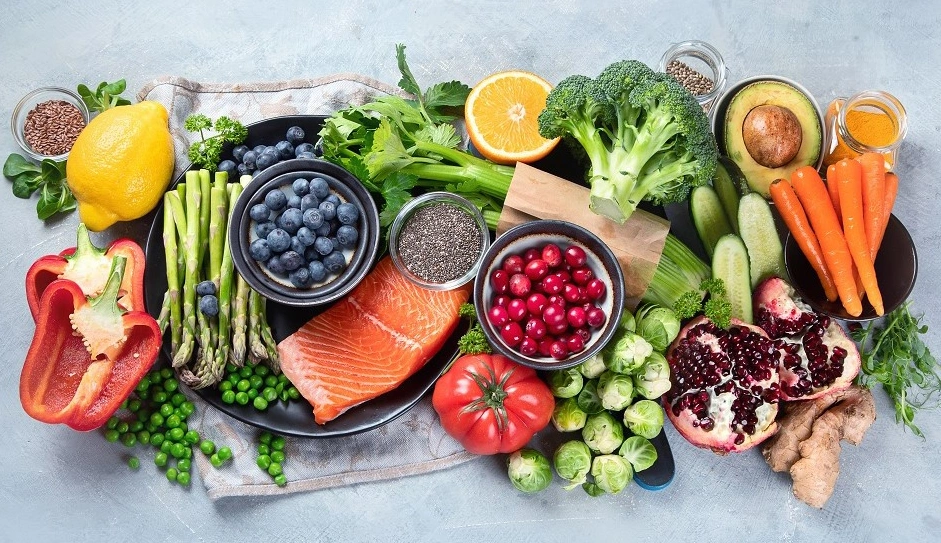
Vitamin A is crucial for maintaining a healthy retina, the part of the eye responsible for capturing light. It plays a key role in night vision and overall eye health. Beta-carotene, found in carrots and sweet potatoes, is a natural precursor to vitamin A and contributes to eye health. These vegetables are excellent for promoting clear vision.
A deficiency in vitamin A can lead to night blindness, which, if left untreated, may progress to permanent blindness. According to the World Health Organization, vitamin A deficiency is the leading cause of avoidable blindness, especially in children.
To ensure adequate vitamin A intake, include more green leafy vegetables and carrots in your diet. This will provide your eyes with the essential nutrients they need to thrive.

Nutrient #2: Vitamin C
Vitamin C is a powerful antioxidant that helps reduce oxidative stress, which can damage eye cells over time. It also protects against age-related cataracts by neutralizing harmful free radicals.
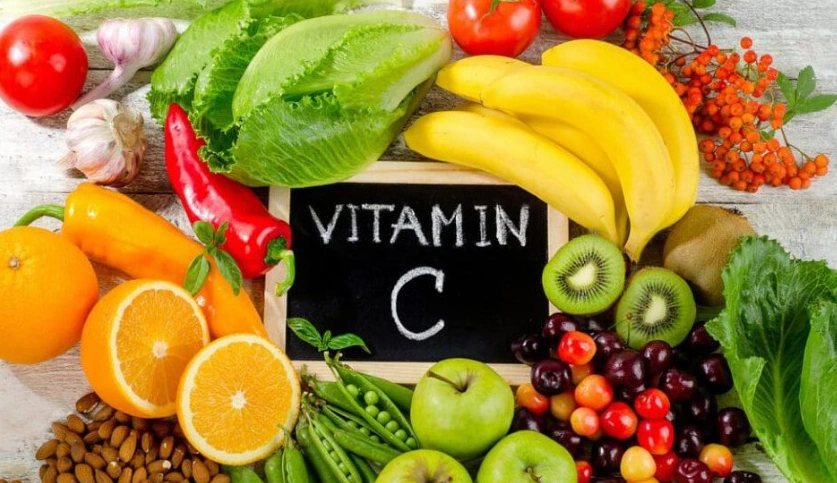
Citrus fruits, strawberries, and bell peppers are rich in vitamin C. Including these foods in your diet can help prevent cataracts and maintain healthy vision for years to come.
The American Optometric Association reports that regular vitamin C intake can reduce the risk of cataracts by up to 33%. As an easily accessible and effective nutrient, vitamin C is a vital part of supporting long-term eye health.
Nutrient #3: Vitamin E
Vitamin E, another powerful antioxidant, plays a key role in protecting the cells in your eyes from damage caused by free radicals. This helps preserve vision and slows the progression of age-related macular degeneration (AMD), a leading cause of vision loss in older adults.
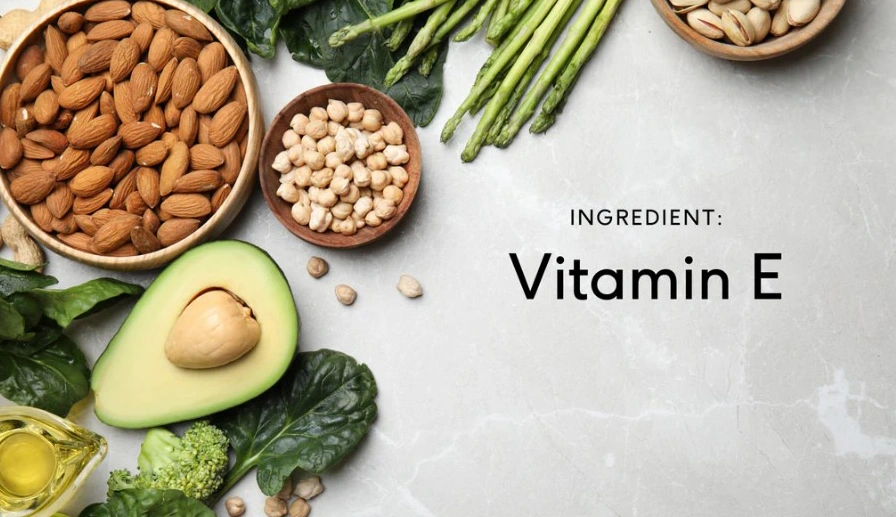
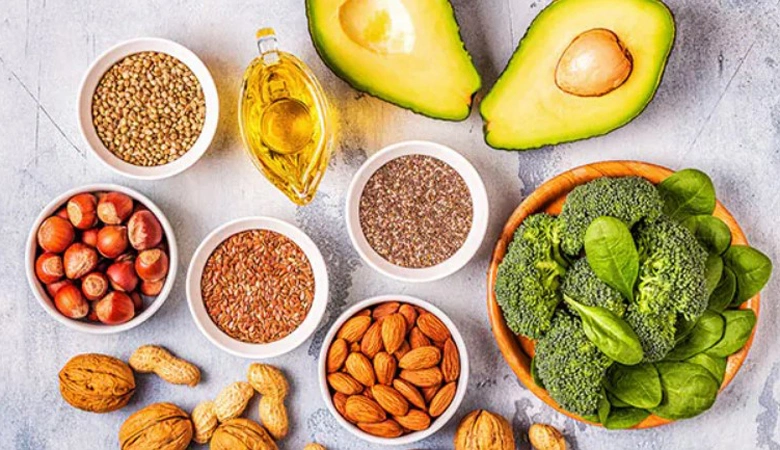
Rich sources of vitamin E include almonds, sunflower seeds, and spinach. Research has shown that consuming vitamin E helps preserve eyesight by shielding cells from oxidative stress. Including nuts in your daily diet or adding a serving of spinach to your meals can significantly support vision health as you age.
Nutrient #4: Omega-3 Fatty Acids
Omega-3 fatty acids are crucial for maintaining healthy blood vessels in the eyes, which can help prevent dry eye syndrome. Specifically, DHA (docosahexaenoic acid), a type of omega-3, plays an essential role in protecting the retina and ensuring clear vision as you grow older.
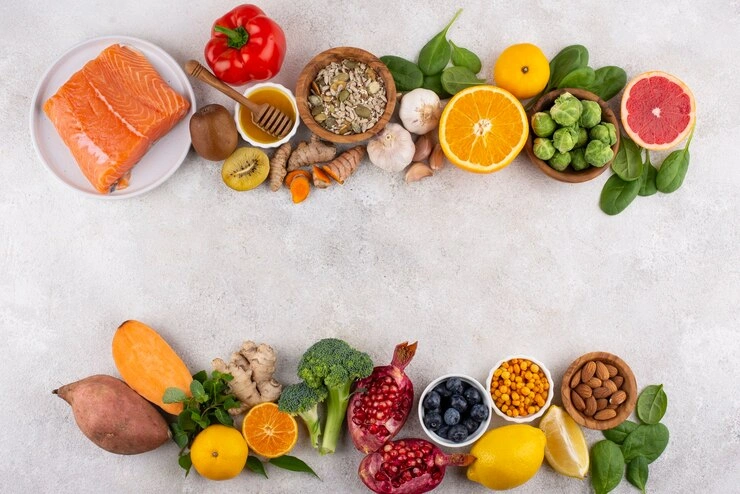
Omega-3s are found in oily fish like salmon, as well as flax seeds and walnuts. Studies show that omega-3 fatty acids also lower the risk of age-related macular degeneration (AMD) and glaucoma. These nutrients also support eye moisture and good blood flow, both of which are vital for eye health.
Nutrient #5: B Vitamins (B6, B9, B12)
B vitamins, including B6, B9 (folic acid), and B12, help lower homocysteine levels in the blood. High homocysteine is a risk factor for AMD, so controlling these levels is important for eye health. You can find B vitamins in whole grains, poultry, eggs, and dairy products.
Research suggests that B vitamins help reduce the risk of developing AMD, making them an essential part of a diet for maintaining healthy vision. In addition to supporting eye health, B vitamins also contribute to overall well-being.
Nutrient #6: Vitamin D
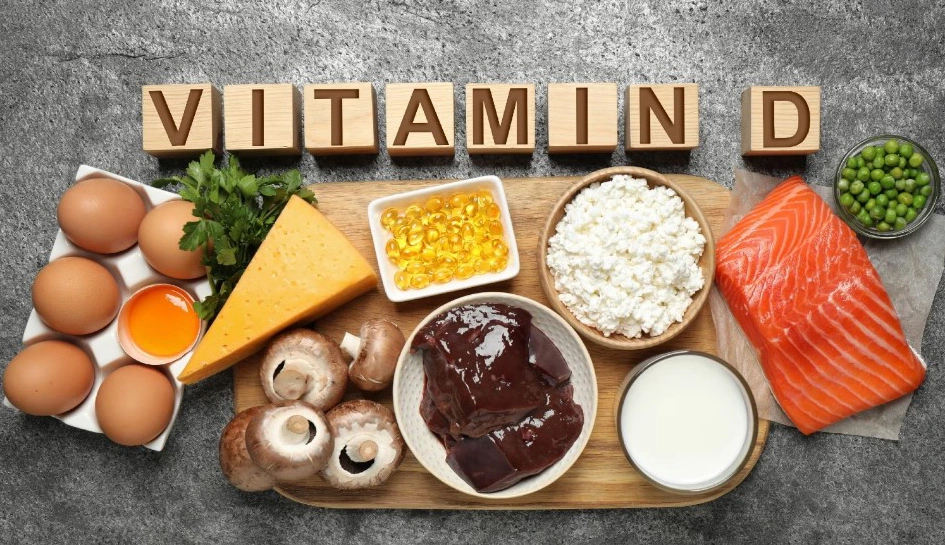
Vitamin D is essential for bone health, reducing inflammation, and potentially preserving vision. Some studies even suggest that a vitamin D deficiency may increase the risk of developing AMD.
Vitamin D is primarily obtained from sunlight, fortified dairy products, and fatty fish such as salmon. Ensuring you have optimal levels of vitamin D not only supports general eye health but could also lower the risk of age-related eye conditions like AMD.
Other Nutrients and Habits for Long-Term Eye Health
In addition to the key nutrients above, minerals like copper, calcium, and magnesium can also contribute to eye health. Maintaining good habits, such as regular eye exams, limiting prolonged screen time, and wearing UV-protective sunglasses, further protect your vision.
By adopting a balanced diet rich in essential nutrients and incorporating these healthy habits into your daily routine, you can help preserve your vision over the long term. It’s never too early to start making small changes that can have a lasting impact on your eye health.
Incorporating proper nutrition and adopting good habits will keep your eyes bright and healthy throughout life. Key nutrients like vitamin A, omega-3 fatty acids, and zinc are especially important. Start supporting your vision today by speaking to your healthcare provider about eye supplements.