Cruise vs Ferry: The Ultimate Travel Choices for Mediterranean Coast Adventures
- Travel
-
- UPDATED December 27, 2024
by Nancy Ennis
123 shares
The Mediterranean coastline, renowned for its vibrant mix of culture, history, and breathtaking landscapes, has long been a top destination for travelers in search of adventure and relaxation.
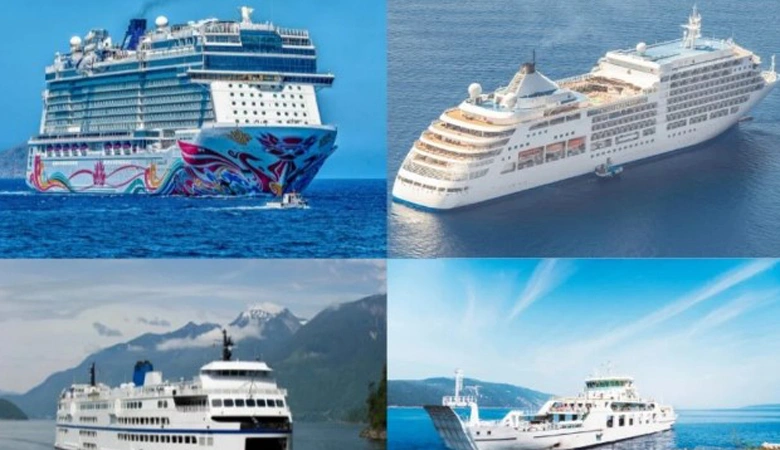
When it comes to exploring this stunning region by sea, two main options stand out: cruises and ferries.
Each offers a distinct experience, making the choice between the two a tough one. To help you make an informed decision, we explore the pros and cons of each option in this article.
Cruises are alluring
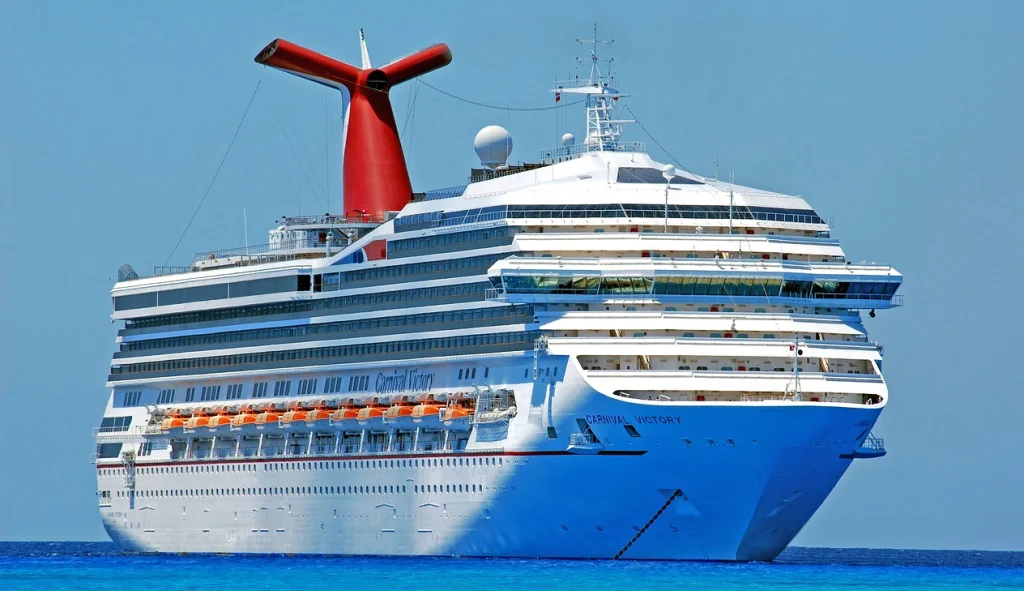
Cruises have become synonymous with comfort, convenience, and luxury, offering an upscale travel experience. A Mediterranean cruise, in particular, is the perfect getaway for those looking to visit multiple destinations without the hassle of meticulously planning every detail of the journey.
These five-star floating hotels are equipped with a wide range of amenities, including top-tier entertainment and dining options. Whether you prefer opulent sea-facing suites with private balconies or cozy, comfortable cabins, cruises cater to every taste and budget.
One major advantage of choosing a cruise is the ability to hop from port to port without the need to pack and unpack repeatedly. A Mediterranean cruise can take you to iconic destinations such as Rome, Barcelona, and Dubrovnik, as well as Greek gems like Mykonos, Santorini, and the breathtaking Amalfi Coast.
Cruise guests can explore these exotic locales through organized land excursions while also enjoying a variety of onboard activities, ensuring there’s never a dull moment throughout the trip.
Despite their popularity, cruises are not for everyone. The structured nature of a typical cruise itinerary can feel restrictive to some. Port stops are sometimes brief, leaving little time to fully immerse in each destination. Additionally, cruises tend to be pricey, especially when you factor in the cost of shore excursions and gratuities.
Ferries can be flexible
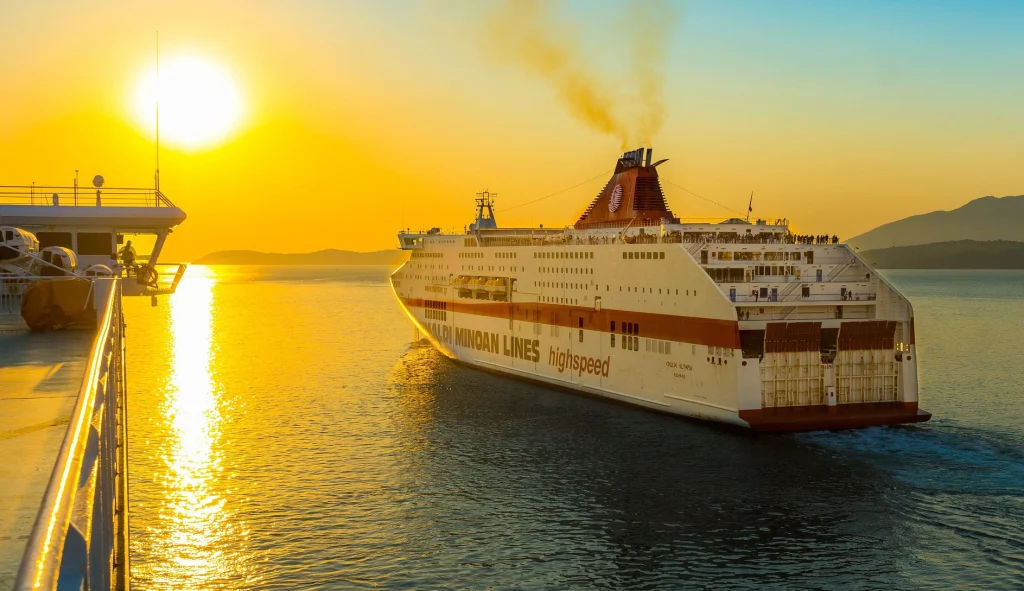
Ferries are an appealing option for travelers seeking flexibility and a deeper immersion into local culture. Unlike cruise ships, which follow a fixed itinerary, ferries operate between two destinations, making them ideal for those who want to explore the Mediterranean coast independently.
One of the key benefits of traveling by ferry is the opportunity to spend more time in each destination, allowing for greater interaction with the locals. For example, after visiting the historical landmarks of Athens, you can catch a ferry to the peaceful Greek islands before heading to Spain to experience the lively nightlife of Ibiza.
Ferries are also generally more budget-friendly, offering an economical way to travel between Mediterranean destinations. Since meals and activities are not included, passengers are free to arrange their own plans, avoiding hidden costs.
However, ferry travel does come with its own drawbacks. The level of comfort is not on par with that of a cruise ship, and ferries typically don’t offer the same extensive entertainment or dining options. Additionally, ferry schedules can be affected by weather conditions, leading to potential delays or even cancellations.
Choosing between the two
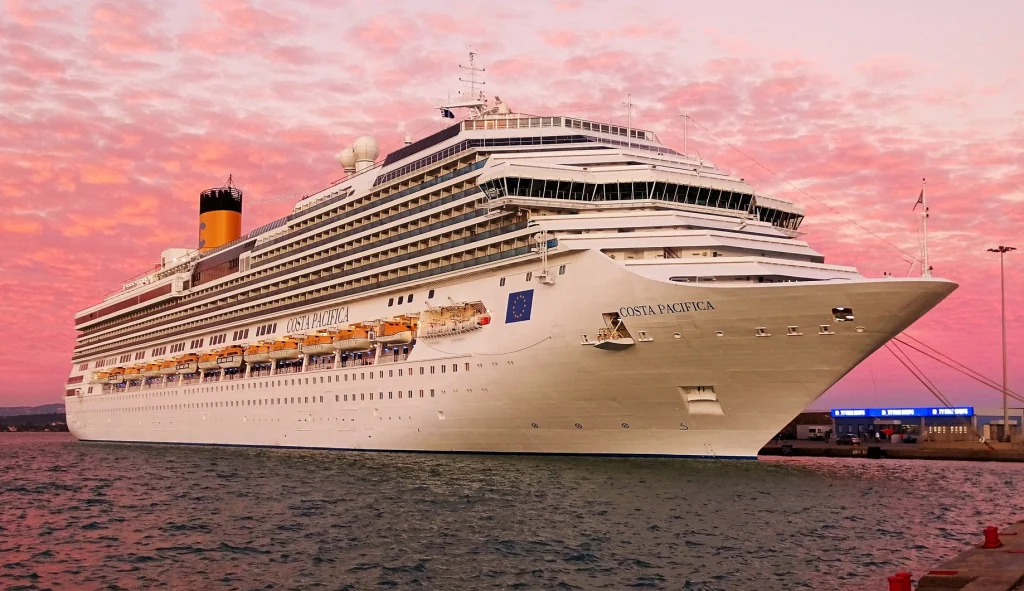
Cruises offer luxury, convenience, and a comprehensive travel package, making them perfect for those who prefer minimal planning and a more structured experience.
In contrast, ferries provide an authentic travel experience, giving you the freedom to create your own itinerary and explore at your own pace.
Ultimately, whether you choose a cruise or a ferry, the Mediterranean coast-hopping adventure is sure to be a winner, offering unforgettable experiences no matter how you travel.