Maintaining Your Oral Health While on Suboxone: A Complete Guide
- Lifestyle
-
- UPDATED December 21, 2024
by Nancy Ennis
203 shares
Suboxone, a medication commonly used to treat opioid addiction, can affect your oral health. If you’re on this treatment, it’s important to stay proactive about dental care to prevent potential issues. This guide offers essential information on how to maintain your oral health while taking Suboxone. We’ll cover the importance of regular dental checkups, choosing the right dentist, common dental problems, and treatment options.
Understanding Suboxone and Its Impact on Oral Health
Opioid Use Disorder (OUD) is a critical health crisis, and Suboxone has proven to be a valuable medication in treating addiction. Comprising buprenorphine and naloxone, Suboxone helps reduce cravings and withdrawal symptoms without the risk of overdose. However, one significant side effect that has emerged is tooth decay. The film strips used for Suboxone have been linked to severe dental damage, with many users experiencing broken or extracted teeth. This issue was officially recognized by the FDA in 2022 after numerous reports were filed. Understanding the risks and taking proactive measures can help minimize damage.
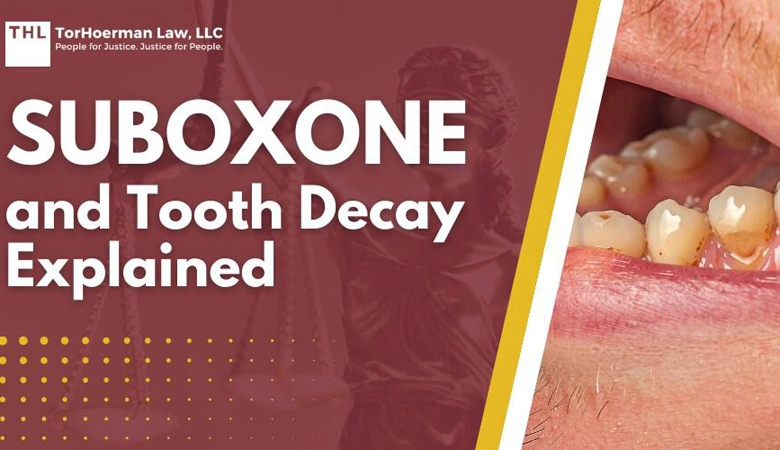
Suboxone and Tooth Decay: What You Should Know
While Suboxone effectively treats opioid addiction, the sublingual film strips have been associated with tooth decay. Lack of early warnings has led to lawsuits, as many users were unaware of the potential oral health risks. These issues have prompted changes in the labeling of Suboxone to warn patients of dental risks like cavities and tooth loss.
Caring for Your Teeth While on Suboxone
Here are effective ways to combat dental issues while using Suboxone:
- Keep Saliva Flowing: Dry mouth is a common issue with Suboxone. Chewing sugar-free gum or using artificial saliva can help stimulate saliva production.
- Avoid Acidic Foods: Reducing acidic and sugary foods, like soda and candy, can help prevent tooth decay.
- Use Fluoride: Fluoride toothpaste and treatments can help remineralize teeth and protect against decay.
- Stay Hydrated: Drink plenty of water to keep your mouth moist and promote oral health.
- Quit Smoking and Limit Tobacco Use: Tobacco and marijuana contribute to tooth decay and dry mouth, so reducing or eliminating these substances can improve your oral health.
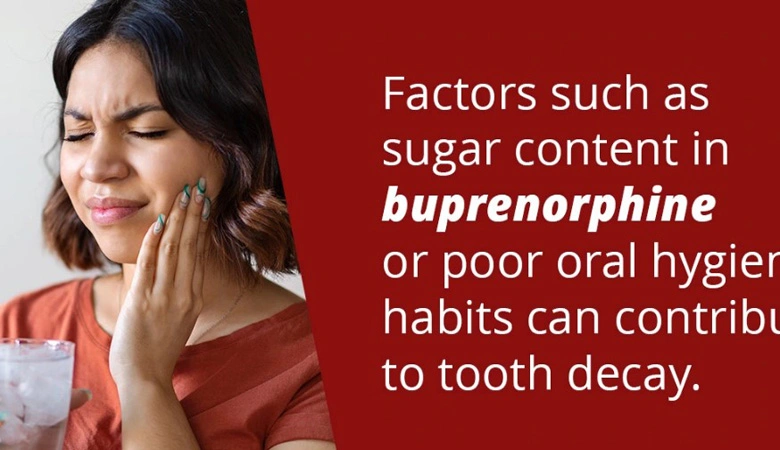
Disclose Suboxone Use to Your Dentist
It’s essential to inform your dentist about your Suboxone use. This allows your dentist to address potential side effects like dry mouth and make adjustments to your dental care plan. Regular checkups are crucial to detect any early signs of tooth decay and take preventive action.
Alternative Treatment Options
If Suboxone isn’t the right fit for you, naltrexone is another medication that blocks opioid receptors without causing dependence. Consult your healthcare provider to determine the best treatment for your needs.Prioritize your oral health as part of your overall well-being while undergoing Suboxone treatment. By staying informed and proactive, you can prevent dental issues and maintain a healthy smile.