Effective Diy Weed Killers
- Home
-
- UPDATED December 02, 2024
by Nancy Ennis
273 shares
Weeds – they’re a common challenge in almost every garden. The trouble with them is their persistence. If you’d rather not resort to chemicals to get rid of them, you’re probably tired of pulling weeds by hand. In addition to draining your plants’ nutrients, large patches of weeds can make your yard look neglected and unkempt. While going chemical-free might require more work, it ensures your garden stays safe for people, pets, and wildlife. If that’s your goal, we’re excited to share some great alternatives to chemical herbicides:
Vinegar
One of the most effective natural weed killers is a common kitchen staple: white vinegar! Thanks to its high acetic acid content, vinegar can tackle even the most stubborn weeds. However, acetic acid doesn’t discriminate and will kill most vegetation, so be cautious when applying it.
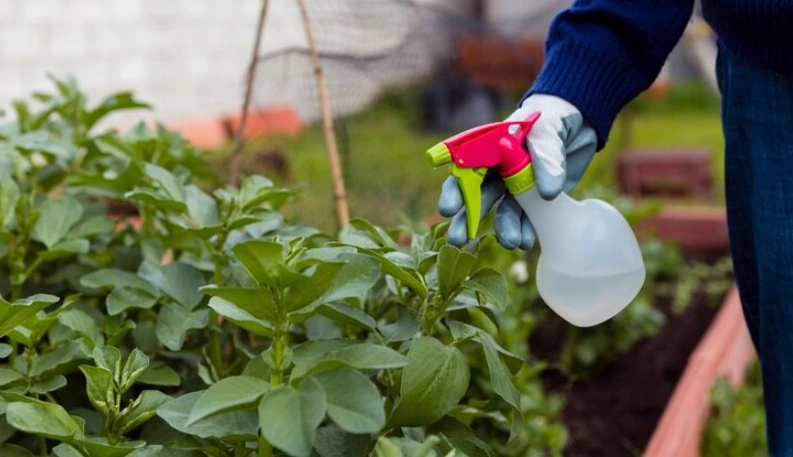
For best results, use vinegar at full strength—opt for one with 18% acidity. You can also mix vinegar with a bit of dish soap and pour the solution into a spray bottle. This mixture works double duty as a weed killer and insecticide. Simply spray it on the weedy areas, and the unwanted plants should wither away quickly. For optimal effectiveness, apply the solution during a stretch of sunny weather to prevent rain from diluting or washing it away.
Rubbing Alcohol
No first aid kit is complete without rubbing alcohol, and it doubles as a surprisingly effective weed killer! Its drying properties draw moisture out of weed foliage, causing the plants to weaken and die over time.
To whip up your own weed-killing spray, mix two tablespoons of rubbing alcohol with a quart of water, then pour the solution into a spray bottle. Give those pesky weeds a good spritz, making sure to target the foliage directly. As always, aim to apply the solution during a stretch of sunny weather for the best results. Be careful not to spray nearby plants to keep your garden greenery safe and thriving!
Boiling water
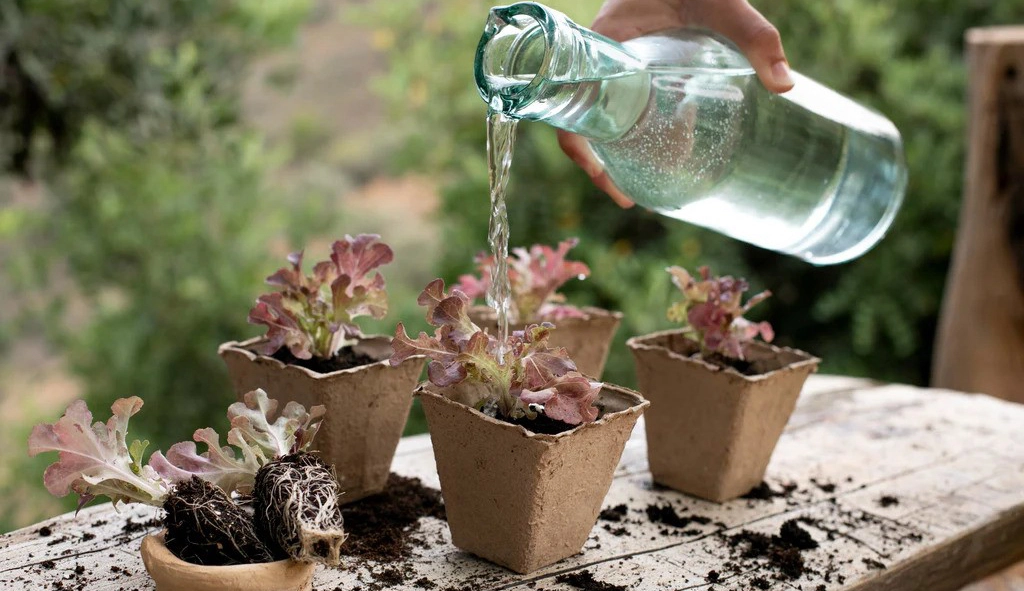
What could be easier than using plain, boiling water to get rid of weeds? This simple weed-killing solution requires no mixing and can be applied anytime—even in the rain. As long as the weed roots are exposed to the high temperatures, they won’t stand a chance.
To use this method, boil a pot of water and carefully pour it directly over the weeds. Precision is key, especially if the weeds are close to plants you want to keep. Avoid splashing nearby vegetation to prevent accidental damage. Make sure you’ve boiled enough water to soak the roots thoroughly for the best results.
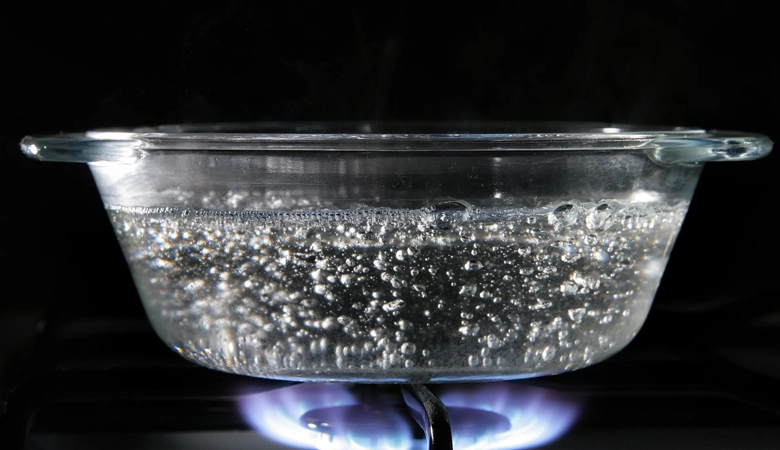
Table Salt
Table salt is another powerful weed killer hiding in your kitchen. Historically, salting the earth was even used as a punishment in some cultures because salt’s effects on vegetation are devastating and long-lasting. Once salt touches a plant, it dies almost instantly, and the soil remains unsuitable for new growth for quite some time.
To use salt as a weed killer, simply sprinkle a small amount onto any unwanted plants. For larger areas, dissolve the salt in water and spray the solution directly onto the weeds. Over time, rain will wash away the excess salt, but be mindful—too much salt can affect the surrounding soil and plants, so use it sparingly and with care.
Bleach
Bleach isn’t just great for removing stains—it’s also a highly effective weed killer. There’s no prep work required to tackle those pesky weeds; simply pour the bleach into a spray bottle and spritz it directly onto the unwanted plants.
Keep in mind that bleach will kill any vegetation it touches, so use it carefully and only in areas where you want to eliminate weeds. One of the advantages of using bleach is that its chemicals evaporate within a day or two, making the treated area safe for replanting once the bleach has fully dissipated.
Newspaper
Believe it or not, old newspapers can be a powerful ally in the fight against weeds! Used as a mulch, newspaper blocks sunlight and air, effectively suffocating weeds. There’s no special preparation required—simply lay sheets of newspaper over the weedy areas in your yard. For extra effectiveness, add a layer of mulch on top, ensuring the weeds are completely covered.
The newspaper should be at least four sheets thick—or even thicker if you have extra papers lying around. Done correctly, this method prevents weeds from sprouting again by denying their seeds access to sunlight. The best part? There’s no cleanup involved because the newspaper naturally decomposes, enriching the soil as it breaks down.

Baking Soda
It’s amazing how some of the best natural weed killers are right in your kitchen! Baking soda is an excellent option, especially when combined with other staples like vinegar or lemon juice. To make a potent solution, dissolve 1 ½ cups of baking soda and a tablespoon or two of vinegar in a gallon of water. Pour the mixture into a spray bottle, and you’re ready to go!
This solution works best as a preventive treatment, so spray it on areas prone to weeds weekly for optimal results. While it’s safe to use near plants, take care to shield their foliage and base to prevent them from drying out.
Lemon Juice
Acidic compounds are natural weed enemies, and lemon juice is one of the most effective at getting the job done. The citric acid in lemon juice dries out weed foliage, causing them to shrivel and die within just a day or two.
You can use fresh lemon juice or even bottled lemon juice. Simply pour it directly onto the weeds, and that’s it! For an extra punch, mix in a little white vinegar to boost the acidity. Just be sure to avoid spraying nearby plants, as the juice can harm any vegetation it touches.

Garlic Juice
Garlic is a powerhouse in the garden—not only does it help repel pests, prevent disease, and boost the overall health of your plants, but it’s also a fantastic natural weed killer. To create your own garlic weed killer, blend 3 cloves of garlic with a bit of water until smooth. Strain the mixture and pour the garlic essence into a spray bottle.
You can use the strained garlic bits by mixing them with a gallon of water for future applications. To make the solution extra sticky and long-lasting, add a tablespoon or two of molasses. This helps the solution stick to the weeds and resist being washed away. Spray it directly on the weeds, starting at the base and covering the foliage.
Give these natural weed killers a try, and you’ll never need chemical herbicides again. For more gardening tips, be sure to subscribe to our weekly newsletter today!