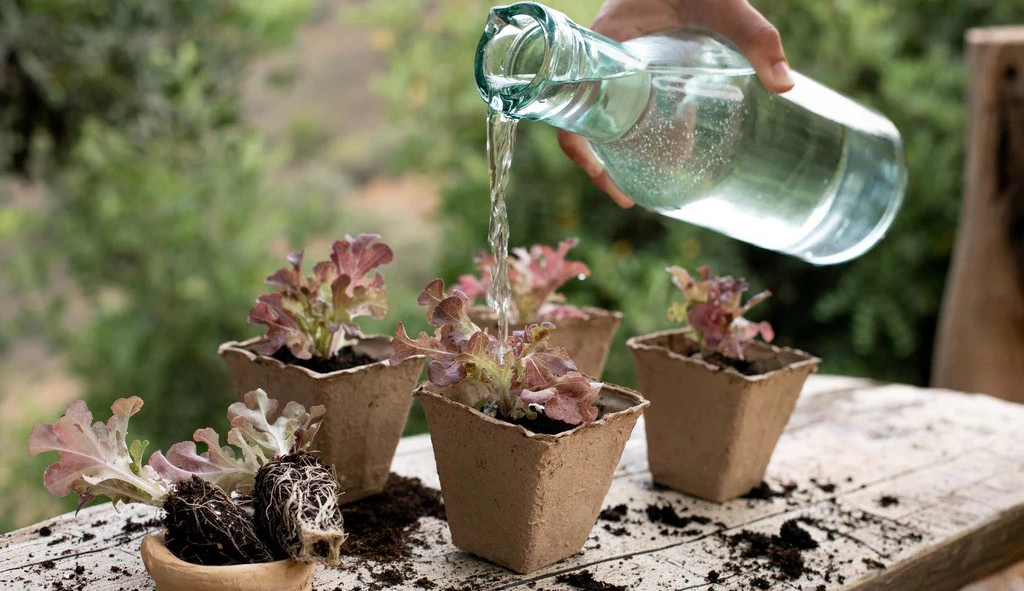
Slugs and snails are ordinary garden animals, and many feed on decaying material. The goal is a usable garden with protected crops, not removing every mollusc from every habitat. A seedling row and a quiet leaf-covered border can need different management.
Inspect the damage while feeding is likely
The University of California IPM guide describes irregular feeding holes, vulnerable soft plant parts and silvery mucus trails. Slugs and snails are often active at night or in cool, damp conditions. Use a torch and safe footing to inspect the plants and nearby shelter.
Look at the whole plant, not only one hole. Photograph missing seedlings, leaf damage and any animal found feeding. Caterpillars, earwigs and other chewing animals can leave damage that looks similar. A snail on a nearby wall is not proof it made every hole in the bed.
Check beneath accessible loose pots or boards near the affected row, wearing gloves and watching for sharp edges or other animals. Leave fixed structures and wildlife shelters alone if you cannot inspect safely. You need enough evidence to identify the problem, not a destructive search of the whole garden.
Choose which plants need protection
Fresh lettuce, bean seedlings and other tender young growth can lose a useful portion quickly. An established plant with a few holes may continue growing adequately. Mark the affected plants and judge whether new damage is changing their prospects.
The RHS slugs-and-snails guide emphasises growing practices and recognises the role of these animals in recycling and food webs. Protecting a short seedling row is a more proportionate job than treating the entire property.
| Situation | Useful priority |
|---|---|
| New seedlings disappearing | Identify active feeders and protect that row promptly |
| Established leaves with limited holes | Check new damage and the plant's continued growth |
| Animals in a separate habitat area | Leave them where crop protection does not require action |
| Repeated losses in one damp corner | Review shelter, watering and the planting choice |
Where losses recur, consider larger established transplants or a different suitable crop or ornamental plant. These choices depend on the variety and season. Do not transplant a crop that dislikes root disturbance simply because larger seedlings seem easier to protect.
Reduce shelter next to the vulnerable row
Clear unused boards, abandoned pots and dense weeds immediately beside the planting you need to protect. Keep deliberate habitat elsewhere where appropriate. You can move the location of a loose garden object without stripping every border of cover.
Review irrigation. Water reaching roots directly and watering early can reduce unnecessary wet surfaces compared with a late broad spray. Do not withhold water from seedlings that need it. The aim is to avoid extra habitat moisture, not make plants drought-stressed.
Keep mulch suitable for the crop and inspect beneath it near fresh transplants. If a particular arrangement repeatedly shelters feeders at the seedling base, adjust the placement and monitor. Removing all mulch everywhere could create other problems, including faster soil drying and more weeds.
Use inspections and manageable collection
UC IPM describes regular hand-picking and checking simple shelter traps. A loose board raised slightly off the soil can concentrate animals for inspection, but it must be checked and removed when no longer serving that job. An unchecked shelter beside seedlings can make the problem easier to miss.
Handle collected animals with gloves and follow appropriate local management or disposal advice. Do not move unidentified molluscs to a neighbour's land, a wild site or another region. Check local advice before moving them, because some species are invasive or protected.
Avoid scattering salt around the garden or onto soil. UC IPM cautions that salt increases soil salinity. Keep tools and hands clean after handling. If night inspections are impractical or unsafe, inspect accessible shelters in daylight and seek another locally suitable protection method.
Treat barrier claims cautiously
Eggshells, coffee grounds and gritty rings do not provide a dependable protection plan. UC IPM reports no demonstrated deterrent effect for eggshells or coffee grounds. RHS garden-realistic tests also found no reduction in damage from several popular barriers, including copper tape, grit and wool pellets.
The sources differ on some copper arrangements: UC IPM describes maintained copper barriers as an option, while the RHS result concerns its tested garden setup. If you try a suitable physical enclosure, inspect the plants and check for animals already inside it.
A collar or enclosed growing area also needs to fit the crop, ventilation and access. Do not leave a protective arrangement that overheats young plants or obstructs their growth. Judge protection by new damage, not by how many products surround the bed.
Make a short follow-up plan
For a hypothetical lettuce row, mark the three affected plants, photograph the damage and inspect after dusk when it is safe. If feeding is confirmed, remove redundant nearby shelter and use targeted collection. Check the same plants and their new leaves over the following visits.
If new damage stops while old holes remain, assess the healthy growth rather than trying to erase old marks. If seedlings keep disappearing, repeat identification: a second pest or a failed protection method may be involved.
If you consider a commercial biological control or bait, obtain advice for the actual target and local conditions. Mollusc controls can also affect non-target species. Follow the permitted product label, storage and child, pet and wildlife precautions; products labelled “organic” still need those precautions.
Keep a note of crop, location, confirmed feeder and action. Before the next sowing, use that history to place vulnerable seedlings where protection is manageable.
Keep exploring
- Your First Vegetable Garden: Start With One Small Bed
- Garden mulch: choose the material, depth and amount
- DIY Weed Control: Safer Alternatives to Salt and Vinegar Sprays
Sources
Reviewed in October 2026 against UC IPM California and current RHS UK guidance. Species and locally permitted controls vary.
A LITTLE MORE FROM NANCY
Nancy
Find something good to cook, get a small garden started or pick up a useful idea for your home.
Meet Nancy