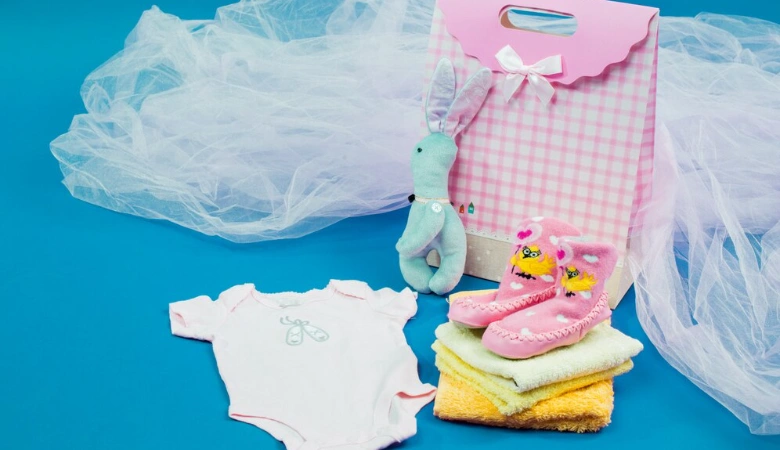
Start small and plan laundry
Begin with a modest set of bodysuits and sleepsuits, then adjust once you know your baby's size and your laundry routine. Front openings and accessible fastenings make changes simpler. Keep spare clothes where changes happen and avoid stocking months of one size in advance.
Inspect the actual garment
Check seams, fastenings and decorations. Avoid loose small parts and dangling cords, and follow washing instructions. Choose clothes that allow comfortable movement rather than dressing a baby in stiff outfits for long periods.
Avoid overheating during sleep
NHS advises a sleeping-room temperature of 16 to 20°C and light suitable sleep clothing or bedding. Check the tummy or chest for overheating rather than assuming cool hands mean a baby needs several extra layers. Follow a well-fitting sleep bag's temperature guidance and avoid hats indoors during sleep.
Adjust for the outing
Check weather and the heated indoor spaces you will enter. Layers that are easy to remove are useful when moving between outdoors, transport and home. Do not let a shopping list replace an actual temperature and comfort check.
Buy the next size when needed
Look at length, movement and how fastenings fit. Keep the next size available if helpful, but do not assume every newborn starts in the same label size. Wash new or second-hand clothes as directed before use.
Work out your starting quantity from laundry
Count how many changes you expect to need between realistic wash-and-dry opportunities, then allow for spare changes. That produces a more useful starting list than buying every item in a matching range. Laundry access, drying time and your baby's fit will change the answer.
Keep a small change kit where you most often dress the baby. Put clean clothes together by size and remove outgrown items as you notice them. If different adults help, an obvious place for the current size saves searching during a change.
Check sleep clothing separately from daytime outfits
A photo outfit, outdoor layer and sleep garment have different uses. Before sleep, check the actual room and the sleep-bag manufacturer's instructions rather than counting layers from a picture. NHS newborn clothing guidance advises removing hats and extra layers when entering a warm indoor space or vehicle.
Second-hand clothes and gifts
Inspect closures and loose decorations, follow care labels and keep only pieces you can dress the baby in comfortably. Label larger gifts by their actual size so they are easy to find later. If an item is fiddly to fasten, reserve your everyday supply for simpler clothes rather than feeling obliged to use it.
When clothing no longer fits comfortably across the body or restricts movement, check another size or cut. The label is a shopping guide, not proof of fit.
Shopping checks
- Simple openings
- Secure fastenings
- No loose decorations or cords
- Fit and temperature suitability
- Laundry and spare-clothes plan
Useful next guides
- Toy Storage: Five Systems Children Can Actually Use
- School Bus Safety: A Routine to Practise with Your Child
Sources
A LITTLE MORE FROM NANCY
Nancy
Find something good to cook, get a small garden started or pick up a useful idea for your home.
Meet Nancy