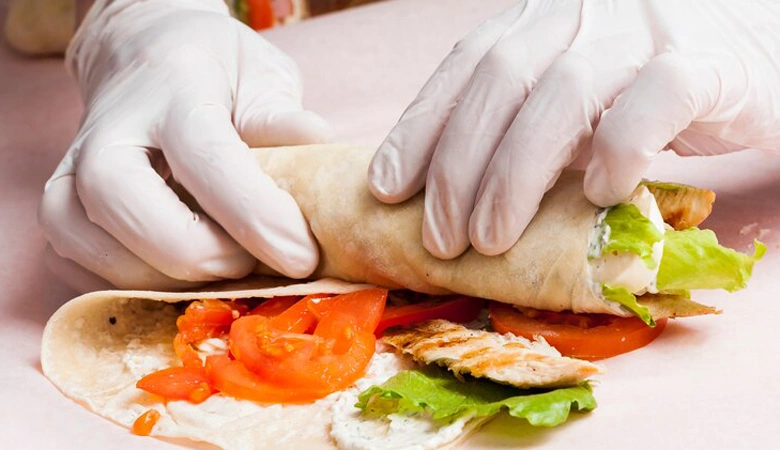
A smooth dip for guests and a small portion for a weekday wrap have different texture demands. Start with what you want to serve, then choose between refrigerating, freezing according to a suitable recipe, or making less next time.
Two useful sources give different advice
| Source | What it says | What that means for your kitchen |
|---|---|---|
| Sabra's product FAQ | Freezing is not recommended because freezing and thawing may affect texture. | Keep a tub for smooth dipping refrigerated and follow its label. |
| Rebecca Katz's red pepper hummus recipe, printed page 50 | The recipe includes a freezing method and refrigerator thawing instructions. | Those instructions provide an option for that homemade recipe. |
The second source is a chef's recipe in a cookbook distributed by GSK. Its storage method concerns that hummus, not every commercial product or a health treatment. The recipe does not override the instructions on your tub.
If your own recipe has no freezing advice, start by checking with its author or choose a recipe that does. A small trial can tell you whether you like the resulting texture. It cannot establish safety for food that has been left warm or kept too long.
For a recipe that supports freezing
Katz's method uses an airtight container with half an inch of space above the hummus for expansion. It includes a thin layer of olive oil to protect moisture, followed by refrigerator thawing and a thorough stir. Read the linked recipe for its exact method and ingredients.
Before packing a batch, think about how much you will use at once. If you normally spread a little hummus in one lunch wrap, a large family tub will give you more thawed dip than you need. A few small containers let you choose one meal's worth without thawing the rest.
Use containers intended for food and freezer storage. Label each with the contents, freezing date and recipe name. If the recipe contains tahini, keep that ingredient information with it; the person opening a container later should not have to guess what is inside.
Keep fresh garnishes separate until serving when your recipe permits it. This gives you the option of putting a newly prepared topping on the thawed dip. The base may still look different after thawing.
Let the fridge do the thawing
Move a portion to the refrigerator the day before you want it, following the recipe's method. The required time depends on the amount and container, so check that it has thawed before planning to serve it. Sabra also specifies refrigerator thawing if a customer chooses to freeze its products despite the texture recommendation.
Stir after thawing. If a safely handled portion is not smooth enough for a dip, decide whether its texture suits the meal you planned. A sandwich or wrap is one possible use; you do not have to serve it as the centre of a platter. Avoid promising guests the same consistency as a newly opened tub.
Add lemon, oil or seasoning only according to your recipe and preferences. Extra oil is not a safety measure. Neither stirring nor adding lemon makes food safe after improper storage.
Keep the storage history with the container
Follow the product label or recipe for storage times. There is no single manufacturer-verified freezer deadline here for all hummus. Write down when you made or opened it, rather than treating the freezing date as the only information that matters.
The FDA's safe-food-handling guidance calls for a refrigerator at 40°F (4°C) or below and a freezer at 0°F (-18°C) or below. Refrigerate perishable food within two hours, or one hour above 90°F (32°C). A bowl left out beyond that limit should not be saved by freezing it. The FDA's storage guidance notes that food can be unsafe even when it looks and smells normal.
A better plan for the next batch
For a gathering, make or buy the amount you expect to serve and put out small portions. For lunches, match container sizes to the meals you actually pack. If leftovers keep accumulating, reduce the next batch instead of expanding the collection of tubs you rarely use.
Put your next hummus meal on the weekly dinner plan. The Mediterranean platter guide offers another setting for a freshly prepared dip, while the wrap recipe shows a practical lunch format. Check ingredients and dietary needs before changing any recipe.
A LITTLE MORE FROM NANCY
Nancy
Find something good to cook, get a small garden started or pick up a useful idea for your home.
Meet Nancy