A whole frozen loaf is useful for a planned dinner. Two slices are more useful for Tuesday's breakfast. Choose the portion before wrapping, rather than trying to pull apart a solid stack with a knife.
Match the packet to the next meal
| Next use | What to freeze | Why it helps |
|---|---|---|
| Toast or one sandwich | Two slices in one packet | You can remove breakfast without exposing the whole loaf. |
| Soup for two | Two rolls or the slices you normally serve | A labelled dinner portion is easy to find. |
| Bread for a group | A whole or half loaf | The loaf stays together for serving, but allow time to thaw. |
| Different breads | Separate packets with the bread name | A sourdough slice and a sweet loaf need not end up in the same breakfast. |
These are packing examples, not serving-size rules. If your household uses four slices at a time, make four-slice packets. King Arthur Baking suggests small groups of slices or parchment between them so you do not have to thaw the entire loaf.
How to freeze a loaf or slices
- For home-baked bread, wait until it is completely cool. A rack helps air reach the base of the loaf.
- Slice the bread if you want individual servings. Keep a whole loaf intact if that suits the meal you are planning.
- Wrap each portion airtight in material intended for food freezing, then put the wrapped portions in a freezer bag or suitable container. Keep exposed crust and cut edges covered.
- Label with the bread type, amount and date. "Sourdough, 4 slices" tells you more than "bread".
- Freeze the packets where they will not be crushed by a heavier container. Once firm, organise them with the oldest packets easiest to reach.
Freezing preserves the bread you put in; it will not turn a stale loaf into a fresh one. Set aside the surplus while it is still worth eating. If a bread contains a perishable filling or topping, use the recipe or manufacturer's handling instructions rather than the plain-loaf method.
Thaw the bread you will actually eat
For plain bread, King Arthur's thawing guide recommends room-temperature thawing. Its approximate examples are 30 minutes for slices, an hour for rolls and three hours for a whole loaf. The kitchen temperature and loaf size affect the time, so check the centre before serving.
You can put frozen slices directly in a suitable toaster or toaster oven. Follow the appliance's instructions and remove all wrapping first. For a soft sandwich, let the required slices thaw; for toast, there is little reason to thaw an entire loaf.
King Arthur also suggests briefly refreshing thawed crusty bread in a 350°F (about 175°C) oven. Watch the crust and use foil if it is browning too quickly. Microwave thawing is an option in a hurry, but the bread can dry and harden quickly afterwards. Use that portion promptly.
How long should you keep frozen bread?
King Arthur's freezing advice gives up to three months for most bread and one month for gluten-free bread, which can lose structure sooner. Treat these as quality guidance for properly packed bread, not a fresh expiry date for bread already spoiled before freezing.
Write a use-first reminder beside the date if bread regularly disappears behind other food. Planning one breakfast and one soup night around the older packets is more helpful than buying another loaf while they remain untouched.
What about sourdough, dough and refreezing?
Sourdough: baked sourdough can follow the sliced or whole-loaf approach above. A crisp crust benefits from warming after thawing.
Unbaked dough: this guide covers finished bread. Yeast dough needs its own recipe-specific freezing and proving instructions; do not transfer the loaf's thawing timetable to raw dough.
Refreezing: repeated thawing makes it harder to preserve the texture. Portion the loaf first so the unused bread stays frozen. Follow stricter handling directions for any filled bread.
Put a packet to use
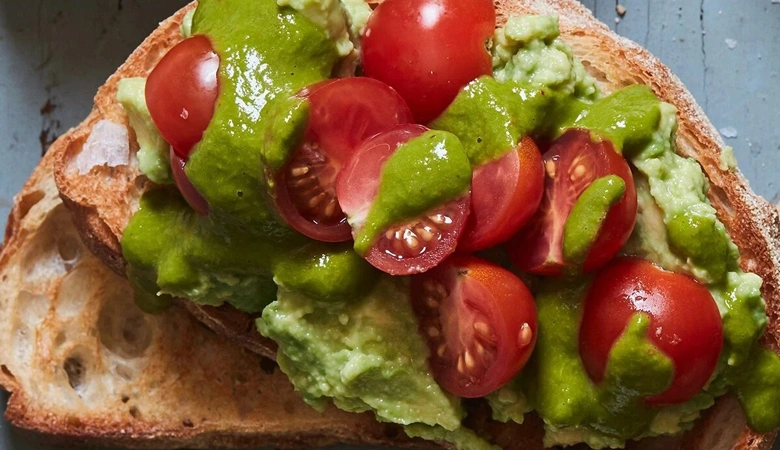
Use slices for avocado toast or a grilled cheese sandwich. Add the frozen portions to your weekly dinner plan before buying more.
Sources
For more detail on freezing plain baked bread, see the two King Arthur Baking articles linked below.
A LITTLE MORE FROM NANCY
Nancy
Find something good to cook, get a small garden started or pick up a useful idea for your home.
Meet Nancy