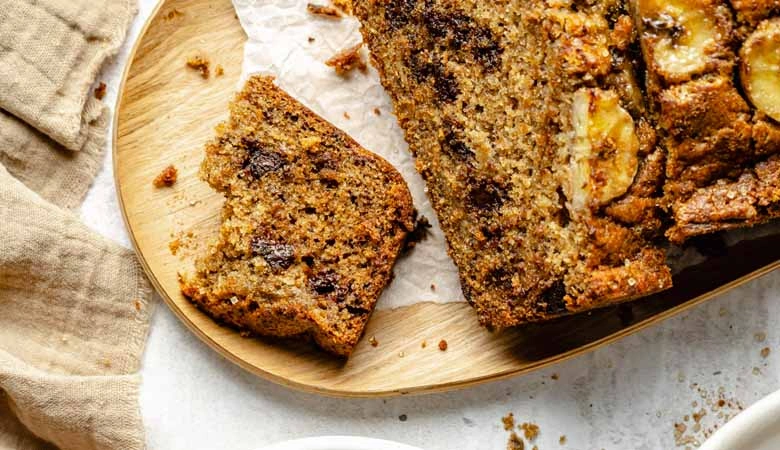
Spotted bananas can be ripe enough for a bake without being suitable for a neat fruit platter. Freezing works best when you save fruit that is still sound. It does not repair spoiled fruit or give a poor banana a better flavour.
For smoothies: freeze separate slices
Mississippi State Extension's banana fact sheet describes a tray method for slices. Separate pieces let you take the required amount without thawing a solid bag of fruit.
- Start with sound ripe bananas. Rinse the outside under running water before peeling; use clean hands, a clean board and a knife.
- Peel and slice. Cover a baking sheet with wax paper or foil, as the Extension method specifies.
- Spread the slices in one layer and put the tray flat in the freezer until the pieces are frozen.
- Transfer the firm slices to a resealable freezer bag, remove excess air and seal.
- Write "banana slices", the date and an amount that is meaningful to you. Return the bag to the freezer.
You do not need to commit the whole bunch to one smoothie. Make a small bag for each use, or keep loose frozen slices in a larger bag and close it promptly after taking some out. Follow your blender's directions for frozen ingredients and its required liquid amount.
For baking: freeze a measured amount
The National Center for Home Food Preservation's banana method uses peeled, thoroughly mashed firm ripe bananas. It specifies 1/2 teaspoon (1,500 mg) of ascorbic acid per cup of mash, then packing in a container that resists moisture and vapour.
That is a specific ascorbic-acid method. A mixed commercial fruit protector can have a different concentration, so follow its own label rather than treating half a teaspoon of any powder as equivalent. Do not silently swap in a spoonful of lemon juice and claim it is the same published method.
Measure the mash in the form the recipe requires and label the quantity. If your regular loaf uses a cup of mash, a cup-labelled packet is more useful than an unspecified number of bananas. Fruit sizes differ.
Choose the portion while the fruit is easy to handle
| Preparation | Useful packing example | Label |
|---|---|---|
| Tray-frozen slices | The amount your usual smoothie uses | Slices, amount and date |
| Measured mash | One recipe's quantity | Cups or weight of mash, treatment and date |
These are planning examples, not a new smoothie or baking recipe. A label should distinguish mash from slices even if both packets contain the same original number of bananas.
Keep the bags together and put older portions where you will see them. If a baking packet is waiting, add the bake to your shopping plan before buying more bananas for it.
Use frozen slices or thaw mash in the fridge
For a smoothie, use frozen slices if the recipe and appliance allow it. The fruit does not need to regain fresh texture when you are about to blend it.
For baking, thaw the required mash in the refrigerator and follow the recipe's measurement instructions. Keep any liquid released in view: draining or adding extra liquid changes the amount going into the batter. Do not assume a particular adjustment without a recipe that calls for it.
NCHFP's thawing guidance recommends cold handling and notes that thawed fruit can release extra juice. Take out only the portion you need; a bowl left warming on the counter all afternoon is a poor substitute for planning ahead.
Does colour change mean the method failed?
Bananas can darken, and their texture changes after freezing. A colour change by itself does not tell you the fruit's full safety history. Judge whether it was sound when packed and kept properly frozen; do not use smell alone to approve fruit that has been mishandled.
Store at 0°F (-18°C) or below. NCHFP's broad quality guide for correctly prepared frozen fruit is eight to twelve months, but use your labelled portions earlier if the texture or flavour no longer suits the intended dish.
Use the amount your recipe actually needs
Check the ingredient instructions in our whole-wheat banana bread before allocating a packet. The B-fruit guide covers other fruits you might be buying, and the weekly plan helps you schedule the saved portion.
Sources
A LITTLE MORE FROM NANCY
Nancy
Find something good to cook, get a small garden started or pick up a useful idea for your home.
Meet Nancy