Six practical combinations
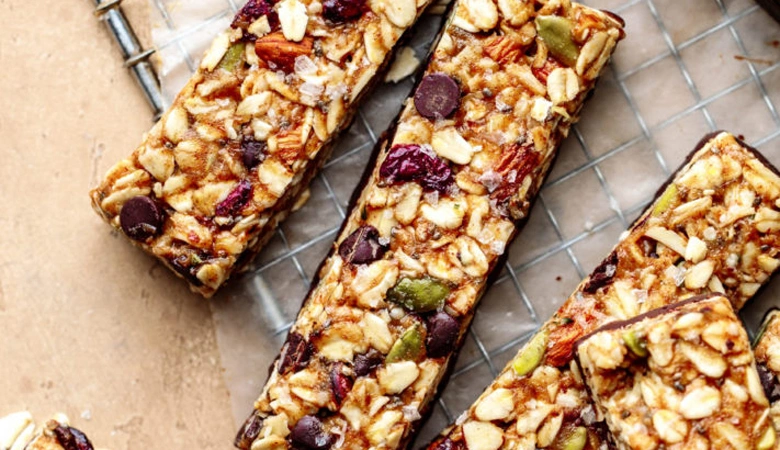
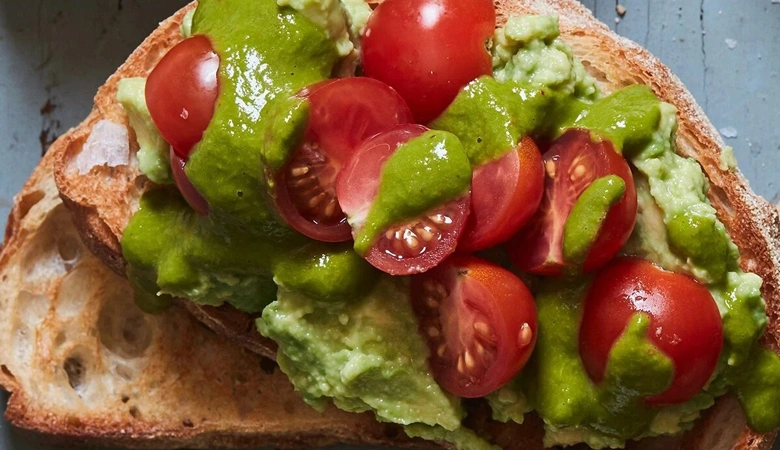
Try fruit with plain yogurt, toast with a suitable nut or seed butter, hummus with bread, a small cheese sandwich, cooked beans on toast, or a simple oat-based snack. Choose portions and ingredients that suit your diet rather than calling one option universally healthy.
Check preparation and allergens
Read labels for bread, yogurt, hummus and spreads. Nuts and other firm foods need age-appropriate handling and may be unsuitable for some children. Keep an established allergy or clinical eating plan as the priority.
Plan the setting
Chilled snacks need appropriate storage and transport. Keep a convenient pantry choice for times when refrigeration is unavailable, following the product's label. Do not assume a homemade snack has the shelf life of a sealed commercial item.
Notice what helps
Consider whether a snack fits between meals, supports a busy day or simply appeals to you. If food choices are becoming restrictive or distressing, seek appropriate support. A snack list is not a weight-loss prescription.
Choose according to where you will eat
For a snack at home, use a small prepared plate or bowl that fits your appetite. For travel, check the packaging and how you will maintain any required cold storage. A convenient dry product following its label may suit a journey better than a homemade chilled snack without appropriate transport.
Prepare one or two familiar options rather than making all six at once. Keep ingredients visible so another household member can choose without searching through several unlabelled containers.
Adapt a combination, not a health slogan
Fruit and yogurt, toast and a suitable spread, or beans on toast are meal components you can vary around preference and dietary needs. Read the actual labels before making an allergen substitution. Changing an ingredient can change both texture and suitability.
For children
Use the child's age and feeding guidance when preparing fruit, nuts, spreads and firm foods. The early-years food-safety page provides practical preparation information. Keep individual allergy and clinical advice as the priority.
Notice whether a snack suits the day's timing and what the person enjoys. Avoid promising that one combination controls hunger for a particular number of hours or guarantees weight change. If eating becomes distressing or restrictive, use an appropriate support route rather than adding more snack rules.
Snack planning
- When needed
- Ingredients
- Allergens
- Suitable portion
- Storage or transport
- What you enjoyed
Useful next guides
- Baru, Date and Oat Energy Bites
- Oat, Nut and Seed Granola Bars
- Avocado Toast: A Simple Base and Useful Variations
Sources
A LITTLE MORE FROM NANCY
Nancy
Find something good to cook, get a small garden started or pick up a useful idea for your home.
Meet Nancy